





























Toyota Tacoma vs 4Runner: Which One's Right for You?
Table of Contents
Ask a room full of Toyota owners whether they'd take a Tacoma or a 4Runner and you'll start a friendly argument that never quite ends.
The two are cut from the same cloth, both are body-on-frame, both are built on decades of off-road pedigree, and both will happily outlast most of the vehicles they share the trail with. So the Tacoma vs 4Runner debate rarely comes down to which is better. It comes down to which is right for you.
On paper they overlap a lot. Similar footprint, similar mechanical DNA, similar reputations for going anywhere and holding their value while they do it. But the moment you look at how each one is actually used, the differences become obvious, and they matter more than any spec sheet.
This is a comparison of how the Tacoma and the 4Runner really differ, across body style, capability, everyday comfort, towing, and how each one takes to being built. By the end you should have a clear sense of which one fits the way you live and drive.

The Core Difference: Truck vs SUV
Everything starts here. The Tacoma is a pickup with an open bed, and the 4Runner is an enclosed SUV. That single difference shapes almost every decision that follows.

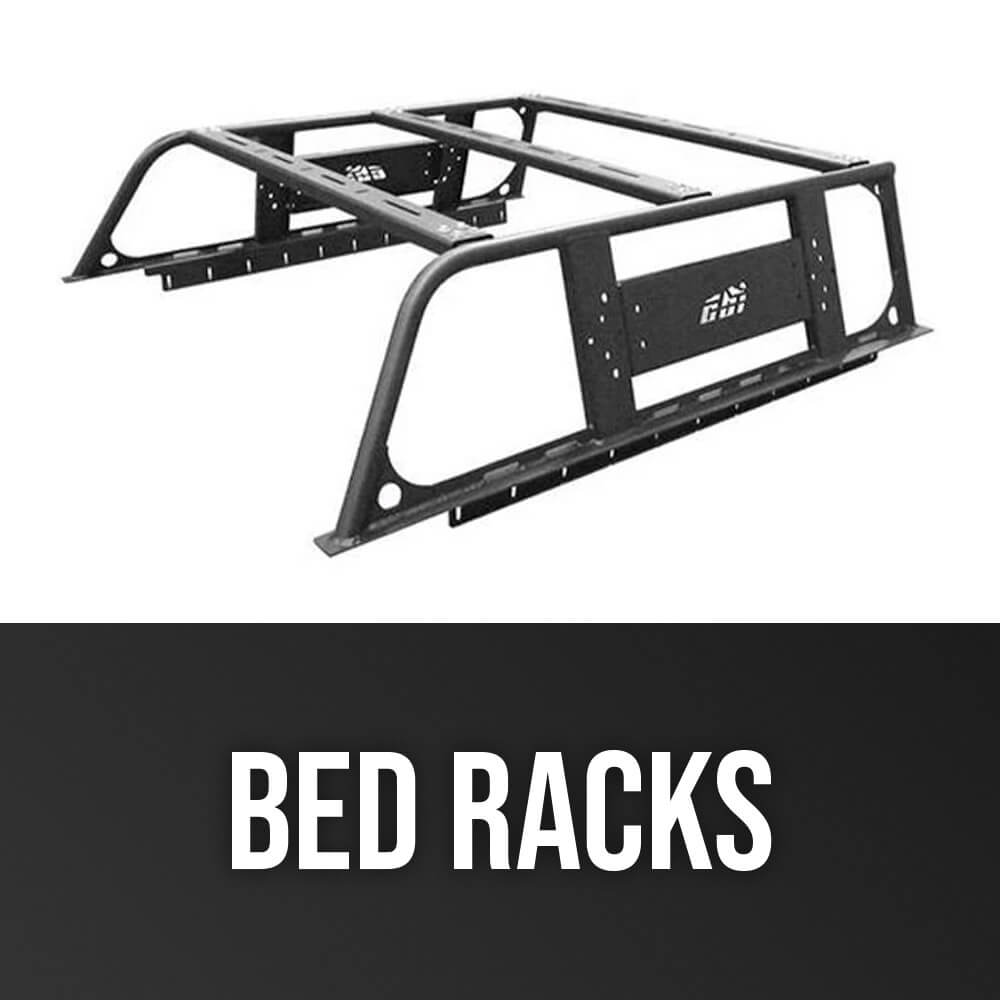
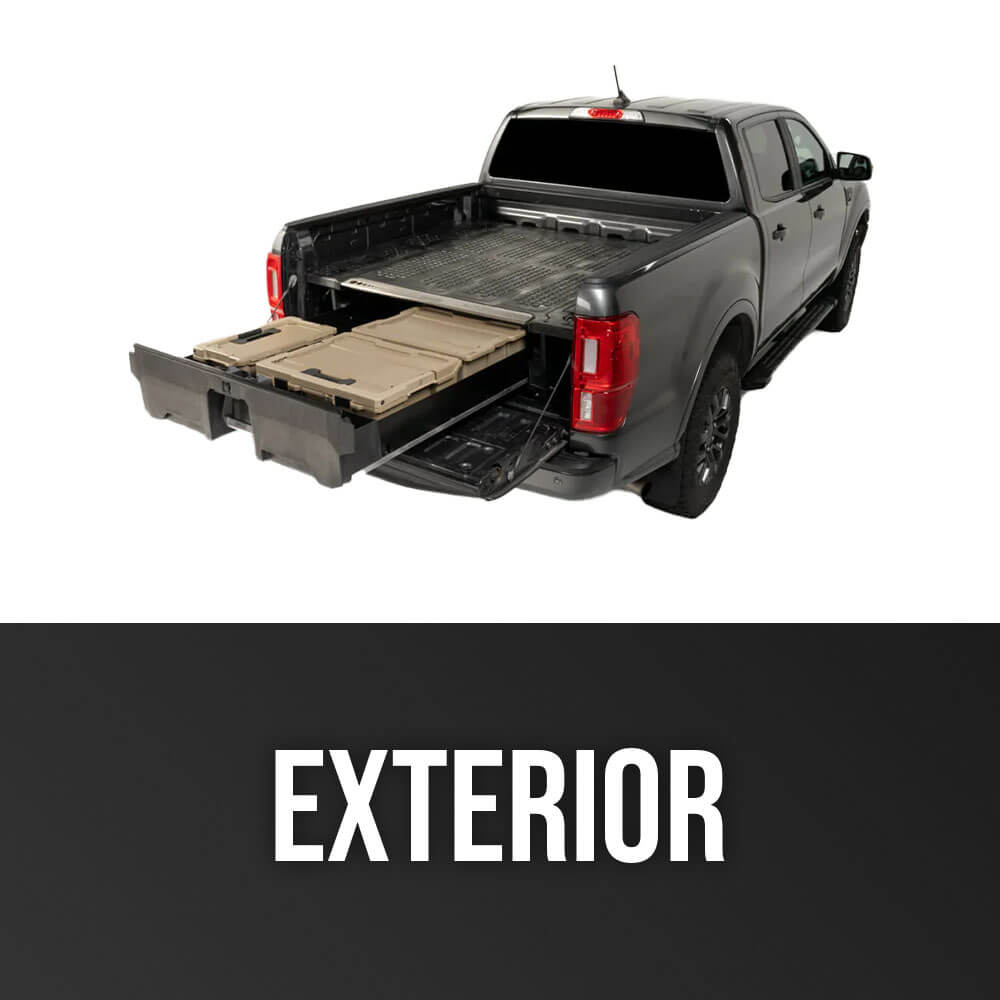
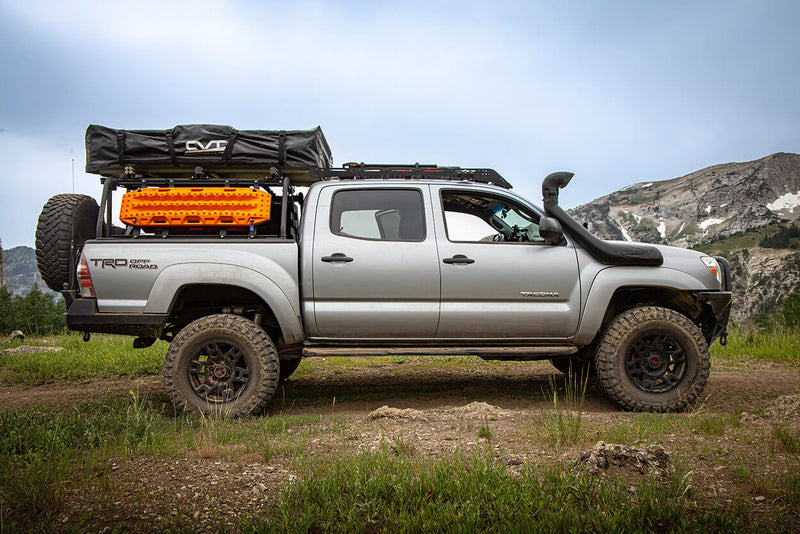
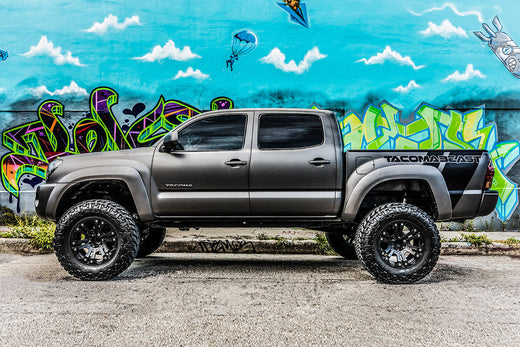
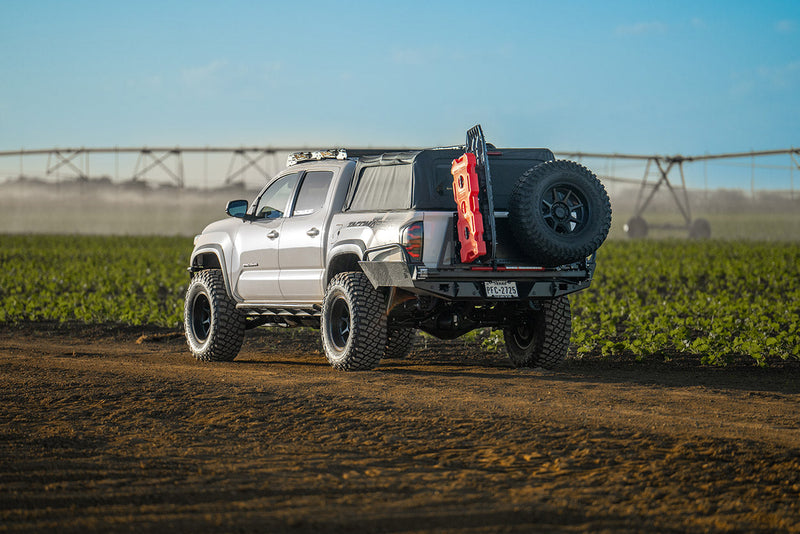
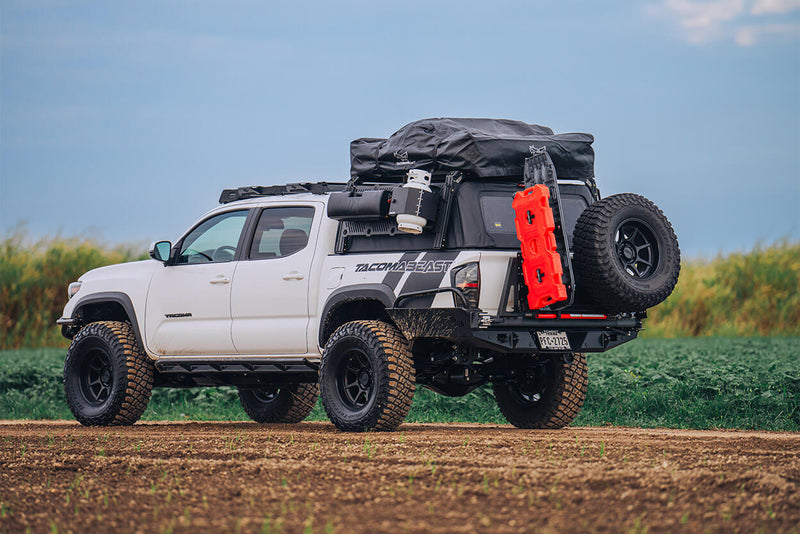
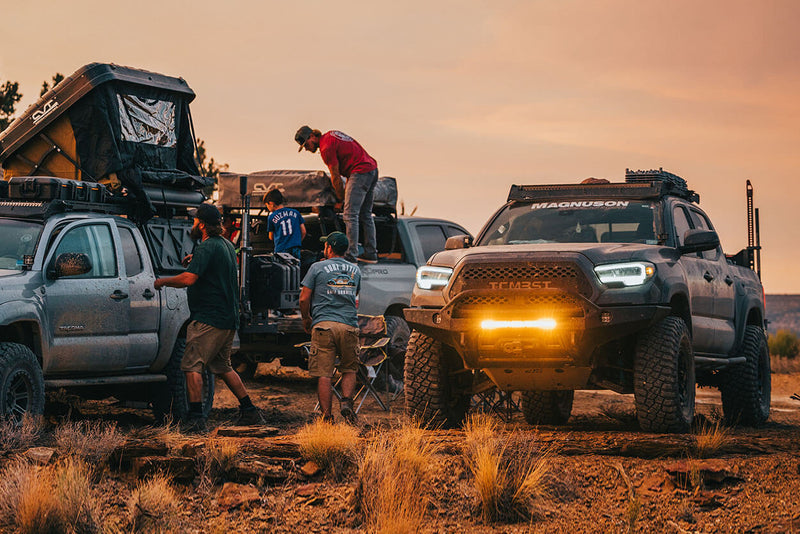
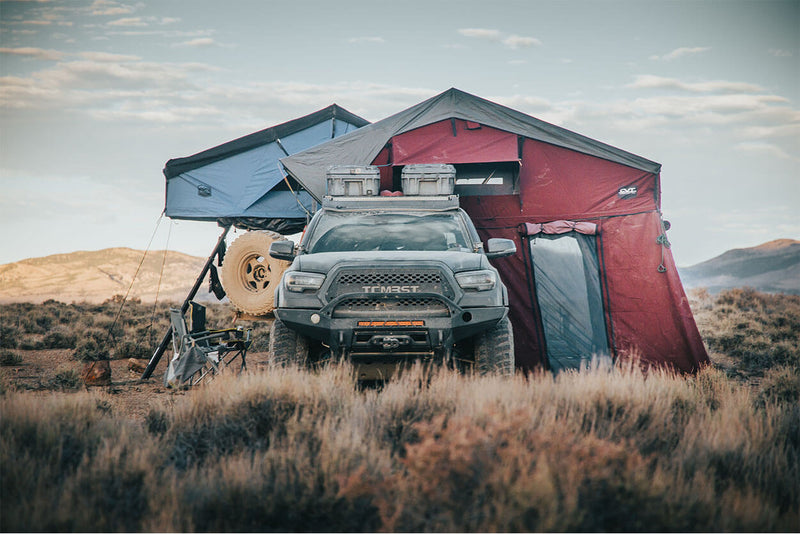
The Tacoma's bed is its superpower. It hauls dirty gear, firewood, bikes, coolers, and building materials without a second thought, and it's the foundation for bed racks, tents, and camper setups.
The 4Runner counters with enclosed, weather-protected cargo space, fold-flat seats, and on some trims a third row, which is exactly what you want when you're carrying people and gear that shouldn't be out in the rain. Neither is better in the abstract. A truck bed and an enclosed cargo area solve different problems.
Off-Road Capability
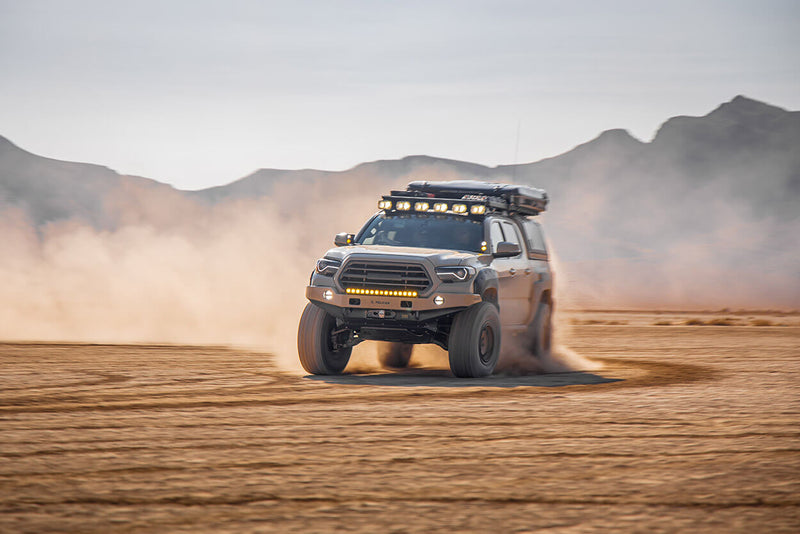
Here the two are closer than the internet would have you believe. Both come in genuinely capable off-road trims, both offer proper four-wheel-drive systems, locking differentials, and the ground clearance to tackle serious terrain, and both respond beautifully to a thoughtful build. Out of the box, a TRD-equipped Tacoma and a TRD-equipped 4Runner will follow each other just about anywhere.

Where they differ is in what they carry while they do it. The Tacoma's bed lets you strap on recovery gear, fuel, and camp kit out of the cabin, while the 4Runner keeps everything sealed inside and away from the elements. For technical trail work the two are effectively peers. Your choice comes down to how you'd rather pack for the adventure.
Everyday Comfort and Practicality
For the daily grind, the 4Runner has a natural edge in a few areas. It's an SUV, so passengers sit in an enclosed cabin, cargo stays dry and secure, and the interior lends itself to family duty in a way a pickup bed simply can't match. If your rig spends its weekdays doing school runs and grocery hauls and its weekends on the trail, that flexibility is worth a lot.

The Tacoma answers with truck practicality. There's something freeing about being able to throw anything in the back, hose it out, and not worry about the mess. It rides like a truck, which some owners love and others tolerate, but it never leaves you wishing you had more room to haul. Whether that trade lands in the 4Runner's favor or the Tacoma's depends entirely on your cargo, not your commute.
Towing and Payload
If your plans involve pulling or carrying real weight, the Tacoma's truck roots start to show. As a pickup, it generally offers more payload capacity and towing headroom, which matters if you're hauling a loaded bed, a trailer, a boat, or a camper. It's built for the job in a way that comes naturally to a truck.
The 4Runner is no slouch and tows respectably for its class, but it isn't trying to be a work truck. If regular towing and heavy payloads are central to how you'll use the vehicle, the Tacoma is the more natural fit. If towing is occasional and light, the gap matters far less.
Building and Modifying Each One
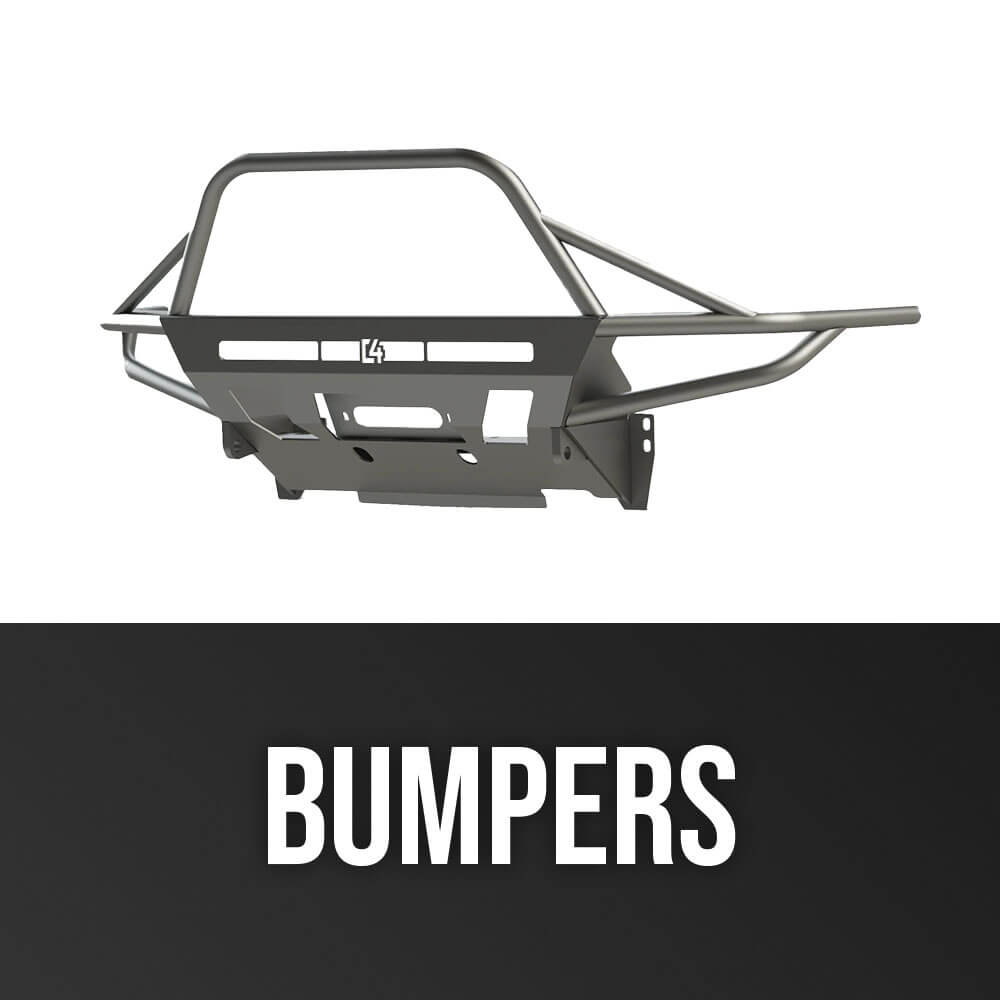
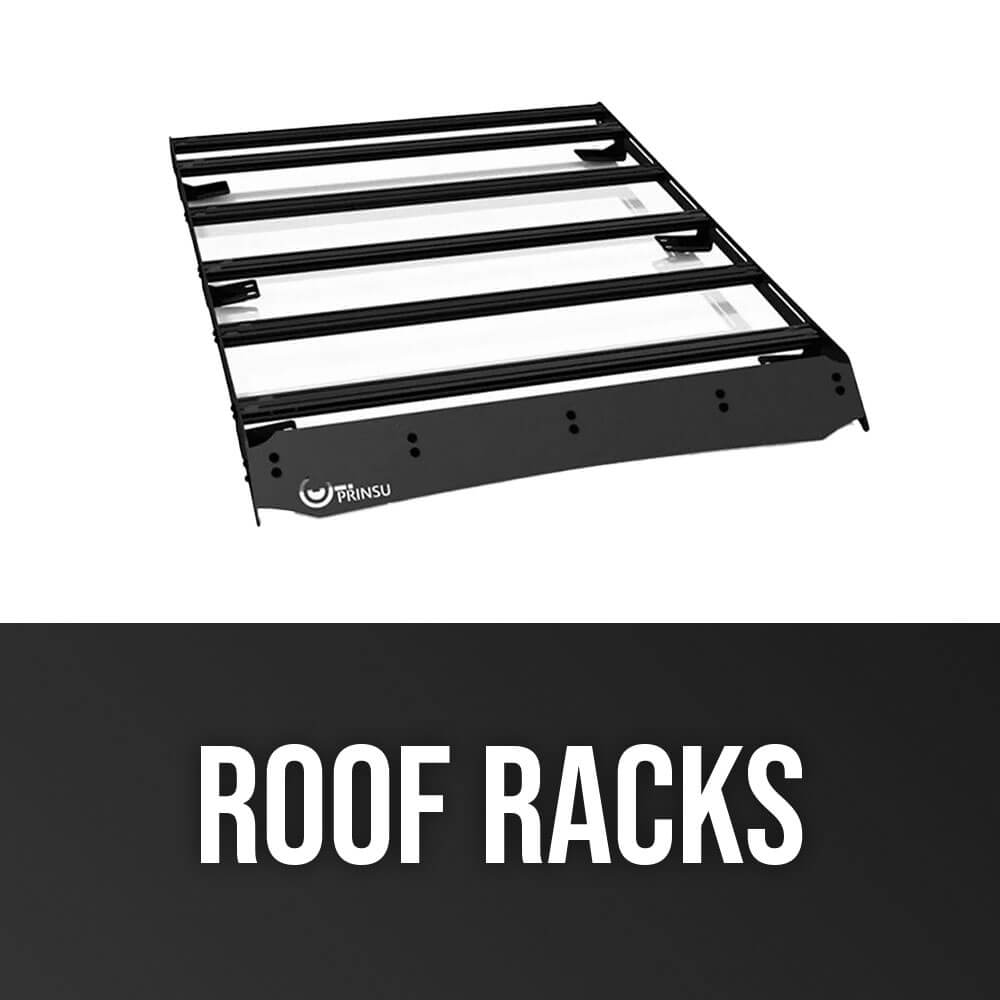
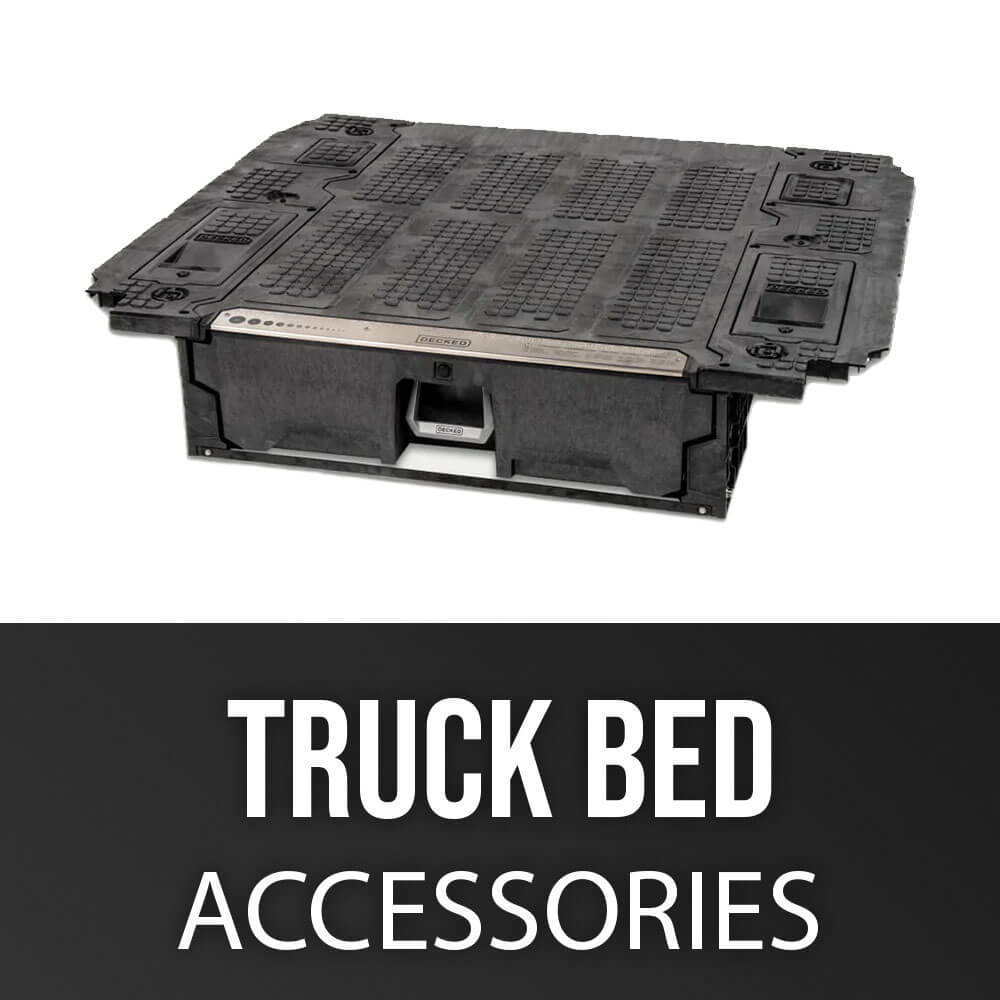
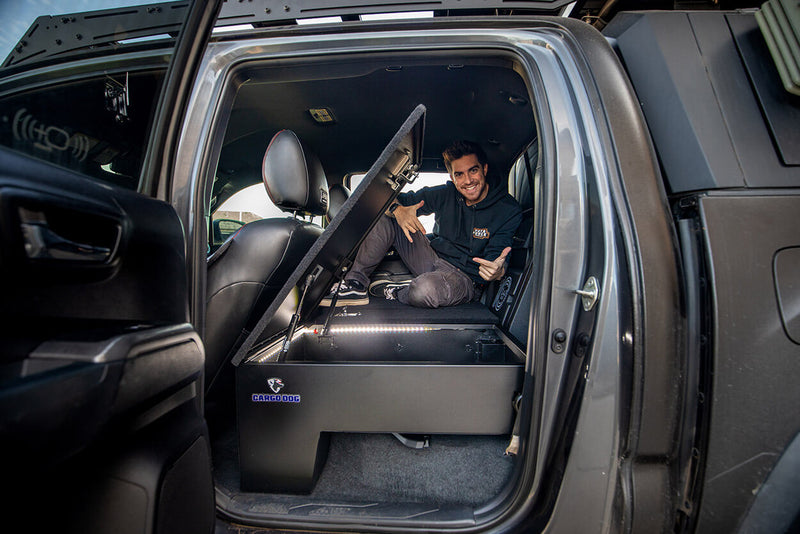
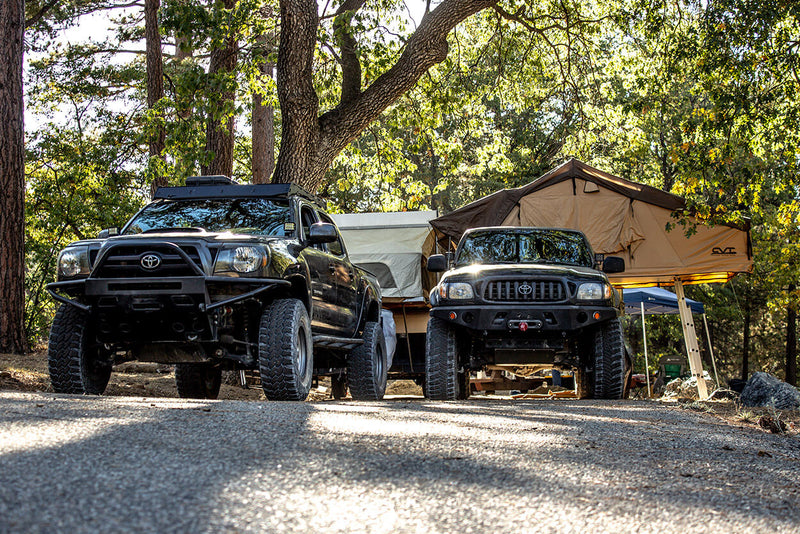
Both platforms sit at the center of huge, healthy aftermarket communities, so you'll never struggle to find suspension, armor, lighting, or recovery gear for either. The difference, again, comes back to the bed. The Tacoma's open platform opens the door to bed racks, rooftop tents, bed-mounted drawers, and full overland camper builds, which is a big part of why it has such a devoted modding culture. The 4Runner builds into a superb enclosed adventure rig, with interior drawer systems, sleeping platforms, and family-friendly overland setups that keep everything sealed and secure.

The good news is that whichever way you go, the parts are out there. Tacoma builds are well catered for, and if you land on a 4Runner, the 4Runner parts and accessories over at Yota Force cover the same off-road and overland ground for Toyota's SUV. Both trucks reward a considered build, they just start from a slightly different place.
Reliability and Resale
This is the easy part, because it's close to a tie and both come out looking great. Tacomas and 4Runners are legendary for going the distance, and both hold their value about as well as anything on the road. Buy either one, look after it, and you're buying into one of the most dependable ownership experiences in the business. Reliability and resale won't be the thing that decides this for you, because both are excellent.
Which Should You Choose?
When you strip it back, the Tacoma vs 4Runner decision is really a question about the bed. If you want to haul, tow, and build an adventure rig around an open, modular platform, and you love the idea of throwing anything in the back and heading out, the Tacoma is the more versatile starting point and the natural home for a serious overland or off-road build. If you'd rather have enclosed, weather-protected space for people and gear, with SUV comfort for daily family duty, the 4Runner makes a lot of sense.
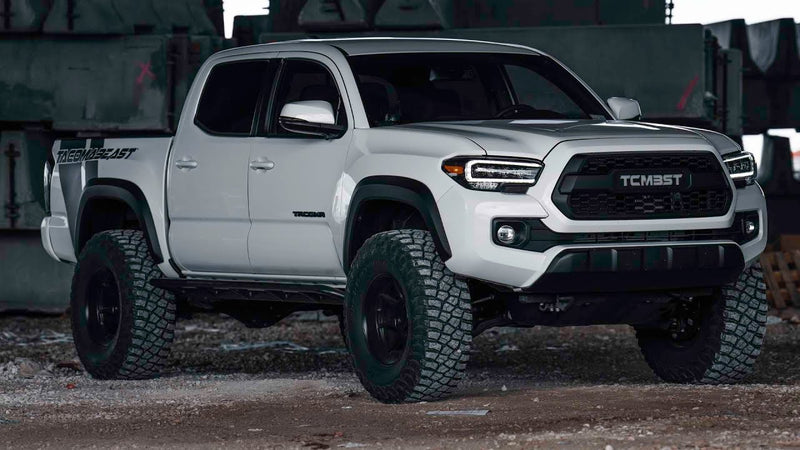
There's genuinely no wrong answer here, which is the beauty of it. Both are Toyotas that will take you a long way for a long time. Whichever one ends up in your driveway, the family has you covered on parts and accessories, with Tacoma builds handled at TacomaBeast and 4Runner builds over at Yota Force. Pick the one that fits your lifestyle and start building.
Frequently Asked Questions
Find quick answers to common questions.
Q: Is a Tacoma better than a 4Runner?
A: Neither is better across the board. The Tacoma wins for hauling, towing, and open-bed builds, while the 4Runner wins for enclosed cargo, passenger space, and everyday family use. The right choice depends on how you plan to use it.
Q: Is the 4Runner built on the same platform as the Tacoma?
A: They're closely related. Both use Toyota's body-on-frame architecture, and the latest Tacoma and 4Runner are built on the same TNGA-F platform that underpins the Tundra and Land Cruiser. They aren't identical vehicles, but they're mechanical cousins.
Q: Do the Tacoma and 4Runner have the same engine?
A: It depends on the generation. For years they shared engines, including Toyota's 4.0L V6, and the newest Tacoma and 4Runner again share the same turbocharged i-FORCE four-cylinder and hybrid i-FORCE MAX powertrains. In many eras, they run the same engines.
Q: Is the Tacoma longer than the 4Runner?
A: In most configurations, yes. The Tacoma, especially in double-cab or long-bed form, is generally longer overall, while the 4Runner is more compact. Exact dimensions vary by generation and configuration.
Q: Which is better for a family, the Tacoma or 4Runner?
A: The 4Runner generally suits families better thanks to its enclosed cargo area, fold-flat seating, and available third row. The Tacoma is the better pick if you regularly haul dirty or oversized gear in an open bed.
Q: Do the Tacoma and 4Runner hold their value?
A: Yes, both are known for strong reliability and excellent resale value, among the best in their class. Neither has a clear advantage, so resale is unlikely to be the deciding factor.



![Best Toyota Tacoma Infotainment System Upgrade - Stinger Heigh10 [Complete Review & Installation]](http://tacomabeast.com/cdn/shop/articles/BLOG-POST-IMG-001_9dc965ee-4133-4d8d-bcf5-34096330c7a6.png?v=1758870800&width=800)












Leave a comment