


























Everything You Need to Know Before Upgrading Your Tacoma Suspension
Your Toyota Tacoma is built for adventure, whether that means weekend trail runs, overlanding expeditions, or just confidently handling whatever the road throws at you. There's no question that the factory suspension is capable, but it's not unusual to wonder what the best suspension for Tacoma trucks really is and whether upgrading makes sense for how you use your truck.
When it comes to upgrading your Tacoma's suspension, the options can feel overwhelming. Spacer lifts, spindle lifts, bracket lifts, mid-travel kits, long travel setups: each promises better performance, but which one actually delivers? The good news is that understanding what works best for your needs doesn't have to be complicated. Whether you're looking to level your truck for 35-inch tires, improve off-road capability, or just get a more comfortable daily drive, there's a suspension solution that fits your build.
We recently spent time with Dustin from Dirt King at their facility, diving deep into everything from lift heights and travel specs to on-road handling and desert performance. What became clear is that mid-travel systems strike the perfect balance for most owners, delivering serious capability without the compromises that come with other lift methods. Read on to find out why mid-travel might be the upgrade your Tacoma needs.
Table of Contents
Why Mid-Travel Suspension is the Smart Choice

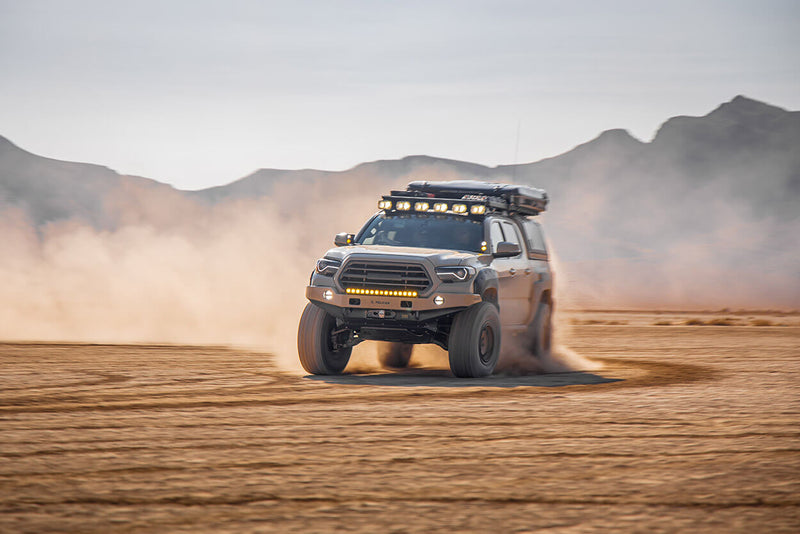
Mid-travel suspension has become the go-to option for Tacoma owners who want real performance gains without major trade-offs. Where the factory Tacoma offers around 6.5 inches of wheel travel, a quality mid-travel kit bumps that up to 9.5 inches for third-gen trucks and even more for the fourth-gen platform. That extra travel translates directly into better ride quality on rough terrain and more confidence when you're pushing the pace off-road.
The beauty of mid-travel is what you don't give up. Unlike spacer lifts that max out factory ball joints and cause premature failures, mid-travel systems use properly engineered upper control arms with repositioned ball joints that maintain correct suspension geometry. You're not just adding height; you're fundamentally improving how your truck handles both on pavement and in the dirt. For daily drivers who want to have serious fun on weekends, it's the sweet spot.
Lift Heights: How Much is Right for Your Tacoma?

For the 2024 and newer Tacomas, the ideal setup for most builds is 2 inches up front and 1 inch in the rear. This levels the truck perfectly and allows you to run 35-inch tires without rubbing issues. The fourth-gen Tacoma came from the factory with less rake than previous generations thanks to the new coil-spring rear suspension, so you don't need as much lift in the back to achieve that level stance everyone's after.
If you prefer better fuel economy and a slightly lower profile, you can go with just 1 inch up front paired with 33 or 34-inch tires. Just avoid going beyond 2.5 inches of lift, as you start compromising ride quality at that point. When you lift a vehicle, there's always a fine line between additional clearance and maintaining that comfortable, planted feeling on the road. The goal is to find that balance where you get the capability you want without giving up the ride quality that makes your Tacoma enjoyable to drive every day.
For wheel offset on the fourth-gen platform, a +25 offset gives you that perfect flush-with-the-fender look while maintaining proper clearance. You can go as aggressive as zero offset if you like more poke, but you'll need to do additional trimming to avoid rubbing on full articulation.
Upper Control Arms: Are They Really Necessary?

If you're installing extended-travel shocks, the answer is absolutely yes. Factory upper control arms simply aren't designed to handle the increased articulation that comes with longer shocks. When you max out a stock ball joint, bad things happen, the stud breaks, the ball pops out of the socket, or you get a complete suspension failure. None of these are experiences you want to have on the trail or at highway speeds.
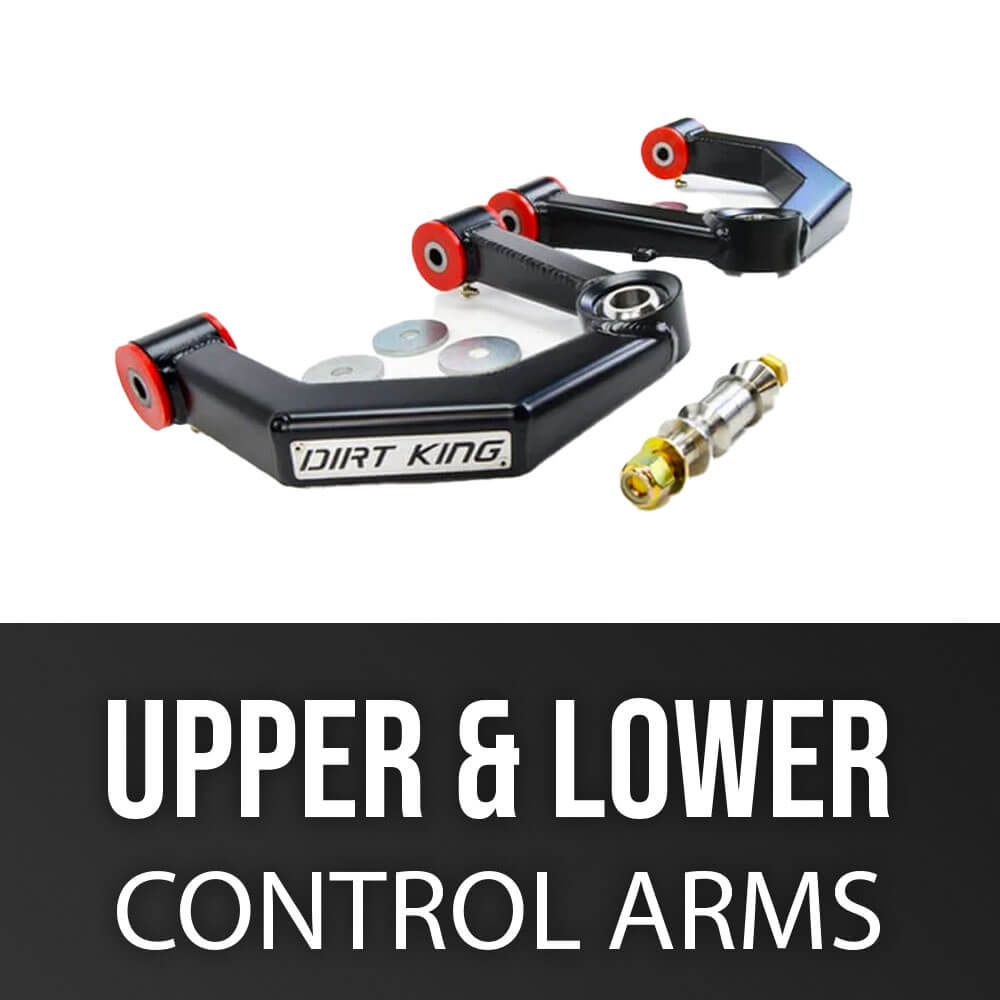
Quality aftermarket upper control arms do two critical things. First, they provide additional articulation range with more durable ball joints that can handle the increased movement. Second, they reposition the ball joint to correct your suspension geometry after lifting the truck, adding back the caster angle you need for proper alignment. This isn't just about preventing failures: it's about making your truck handle correctly with its new suspension setup.
Mid-Travel vs. Long Travel: Understanding the Difference

You can't just bolt on long-travel lower control arms and call your truck long travel. True long-travel suspension widens your front track width by about 3 to 3.5 inches per side, which requires longer uppers, longer lowers, extended brake lines, and tie rod extensions. It's a complete system, not a piecemeal upgrade.
Long-travel kits deliver around 13.5 inches of wheel travel compared to mid-travel's 9.5 inches, and that extra capability comes with a higher price tag. If your heart is set on long travel, it's worth saving up and doing it right the first time rather than buying mid-travel components you'll just replace later. That said, for the vast majority of Tacoma owners, mid-travel provides more than enough performance for aggressive trail riding and even fast desert running.
Choosing Between Trail Runner and Prerunner Kits

When it comes to mid-travel options, Dirt King offers two distinct approaches: the MT Trail Runner with 2.0 shocks and the MT Prerunner with 2.5 shocks. The Trail Runner is designed for the daily driver who enjoys weekend adventures at moderate speeds. It prioritizes ride comfort with excellent compliance over small bumps and undulations, making it ideal for family vehicles, camping trips, and light off-road exploration.
The MT Prerunner is built for drivers who want to push harder. Those 2.5-inch shocks with adjustable compression give you the control you need for high-speed desert running while still delivering a comfortable street ride. If you're carrying significant weight (bed rack, roof tent, bumpers, winch) the Prerunner's adjustability lets you dial in the right amount of control for your loaded setup. But for weekend warriors without heavy modifications, the Trail Runner's smooth, compliant ride is tough to beat.
Frequently Asked Questions
Find quick answers to common questions.
Q: What's wrong with spacer lifts?
A: Spacer lifts create poor ride quality and frequently cause ball joint failures. They're simply extending the OEM components beyond their design limits rather than engineering a proper solution.
Q: Do I need to adjust my suspension differently for street vs. dirt driving?
A: No. Quality mid-travel kits like Dirt King's are developed to perform well in both environments at their default settings. If you have adjustable shocks, you can fine-tune for towing or extreme use, but daily driving requires no adjustments.
Q: Can I use aftermarket upper control arms with other brands' shocks?
A: Generally yes, as long as you're not installing oversized 3.0 shocks that create clearance issues. However, systems designed together—like Dirt King's matched shocks and arms—work best because they're engineered as a complete package.
Q: Will mid-travel suspension hurt my gas mileage?
A: Any lift and larger tires will impact fuel economy somewhat, but mid-travel itself doesn't add significant weight or drag compared to other lift methods. The bigger factor is tire size and weight.
Q: How much does a quality mid-travel kit cost?
A: Expect to invest several thousand dollars for a complete mid-travel system with shocks, upper control arms, and all necessary components. It's not cheap, but it's the price of proper engineering and long-term durability.
Q: Can I install mid-travel suspension myself?
A: If you have mechanical experience and proper tools, yes. However, you'll need a professional alignment afterward, and many people prefer to have the entire installation done by a shop familiar with suspension work.
Q: What's the advantage of adjustable shocks?
A: Adjustable compression dampers let you tune your ride for different loads (towing, heavy gear) or driving styles (spirited off-road vs. comfortable cruising) without changing any hardware.
Q: Will lifting my Tacoma affect the warranty?
A: Modifications can affect warranty coverage for related components. It's worth discussing with your dealer before making changes, though aftermarket suspension typically only impacts warranty claims related to suspension components.
Getting Your Tacoma Suspension Right

The beauty of the Tacoma platform is that there's no single "right" way to build your perfect setup. Whether you're just getting started with modifications or looking to take your build to the next level, the important thing is choosing suspension that matches how you actually use your truck. Mid-travel delivers the sweet spot of performance, comfort, and practicality that works for everything from daily commuting to serious weekend adventures.
Quality matters when it comes to suspension. Products from companies like Dirt King aren't just built to be durable; they're developed through rigorous testing to deliver predictable, confidence-inspiring handling in every situation. That confidence is what lets you push your Tacoma harder and explore further, knowing your suspension is working with you instead of fighting you.
Ready to upgrade your Tacoma's suspension? TacomaBeast offers a wide range of Tacoma suspension kits from leading brands like Dirt King, giving you access to the same quality components we've discussed here. Whether you're looking for a complete mid-travel system or individual components to dial in your setup, you'll find everything you need to transform your truck's performance.


![Best Toyota Tacoma Infotainment System Upgrade - Stinger Heigh10 [Complete Review & Installation]](http://tacomabeast.com/cdn/shop/articles/BLOG-POST-IMG-001_9dc965ee-4133-4d8d-bcf5-34096330c7a6.png?v=1758870800&width=800)












Leave a comment