















Best Tacoma Roof Racks: Top 5 Picks for Your Build in 2026
Last Updated: February 18, 2026
The Toyota Tacoma has earned its reputation as one of the most versatile midsize trucks on the road, making it the perfect platform for outdoor adventures and everyday utility. One of the most practical upgrades you can make to your Tacoma is adding a quality roof rack system. Not only does a roof rack dramatically increase your storage capacity, but it also enhances the overall look of your truck.
If you're searching for the best Tacoma roof racks in 2026, the options can feel overwhelming. To help you navigate these choices, we've compared five of the most popular Toyota Tacoma roof rack systems currently available. We'll break down their installation process, features, available accessories, styling, and price points to help you determine which system is right for your specific needs.
Table of Contents
Top 5 Best Tacoma Roof Racks Compared

Before diving into the detailed comparison, here's a quick overview of the 5 best roof rack systems for Toyota Tacoma we'll be examining:
-
Prinsu Cab Rack
-
UpTop Overland Bravo Rack
-
Front Runner Slimline Sport
-
Rhino-Rack Pioneer Platform
-
ARB Base Rack
Each of these systems offers unique advantages depending on your priorities. Let's explore what sets them apart.
Prinsu Cab Rack
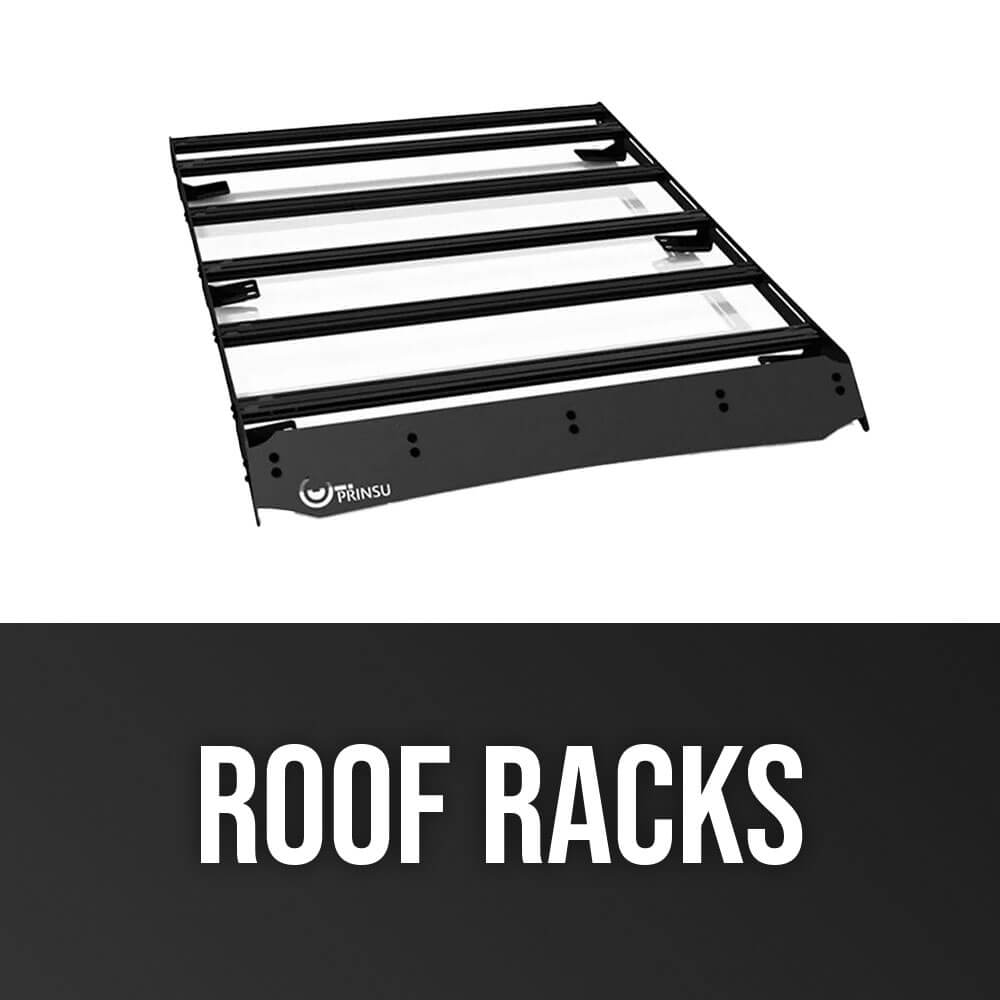
Prinsu is one of the original names in the Tacoma roof rack space and its influence is easy to spot across the market but the original remains one of the most popular choices for 3rd gen Tacoma owners. What sets the Prinsu apart is its slim, tactical appearance that follows the truck's natural body lines while maintaining excellent functionality.
The rack's aerodynamic profile is achieved through careful attention to the windshield angle, creating a low-profile design that minimizes wind noise significantly compared to boxier alternatives. This makes the Prinsu particularly appealing for daily drivers who don't want their roof rack to dominate highway noise levels. The integrated mounting feet are built into the side rails rather than bolted on, reducing potential flex points while keeping overall weight down.

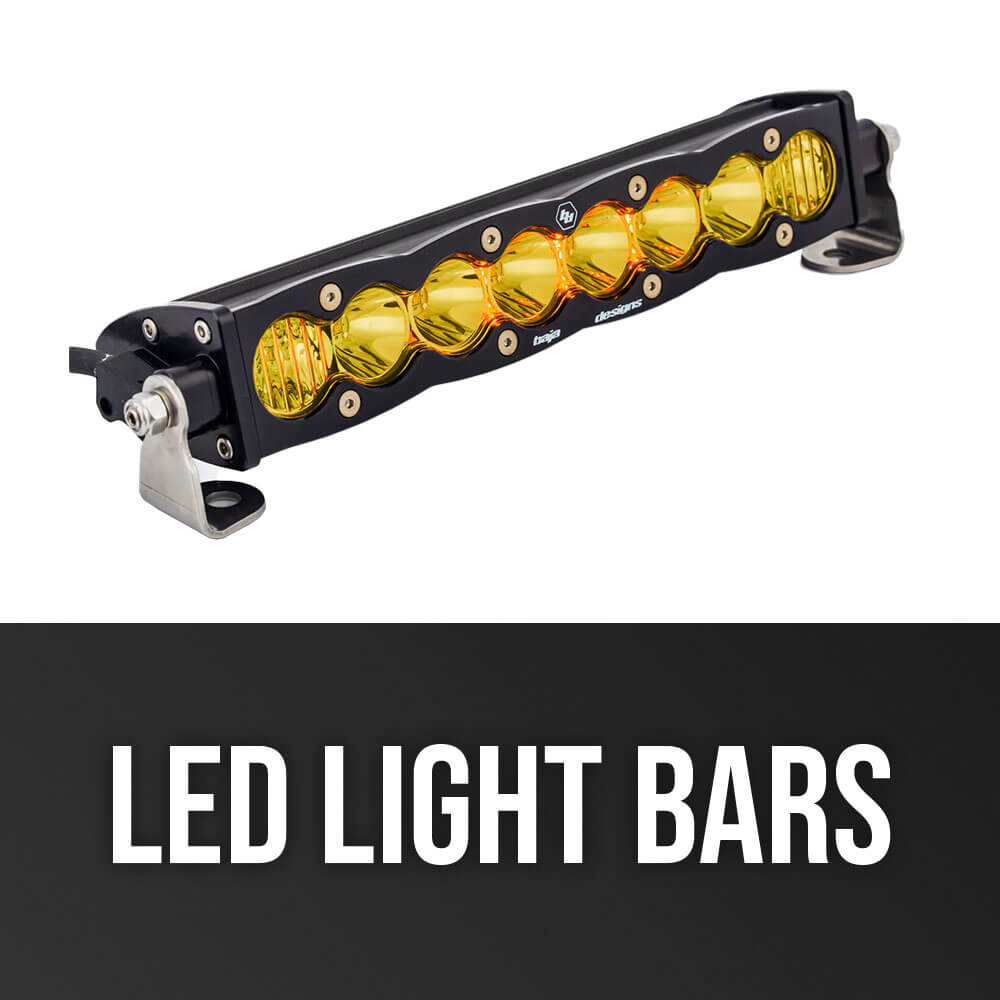
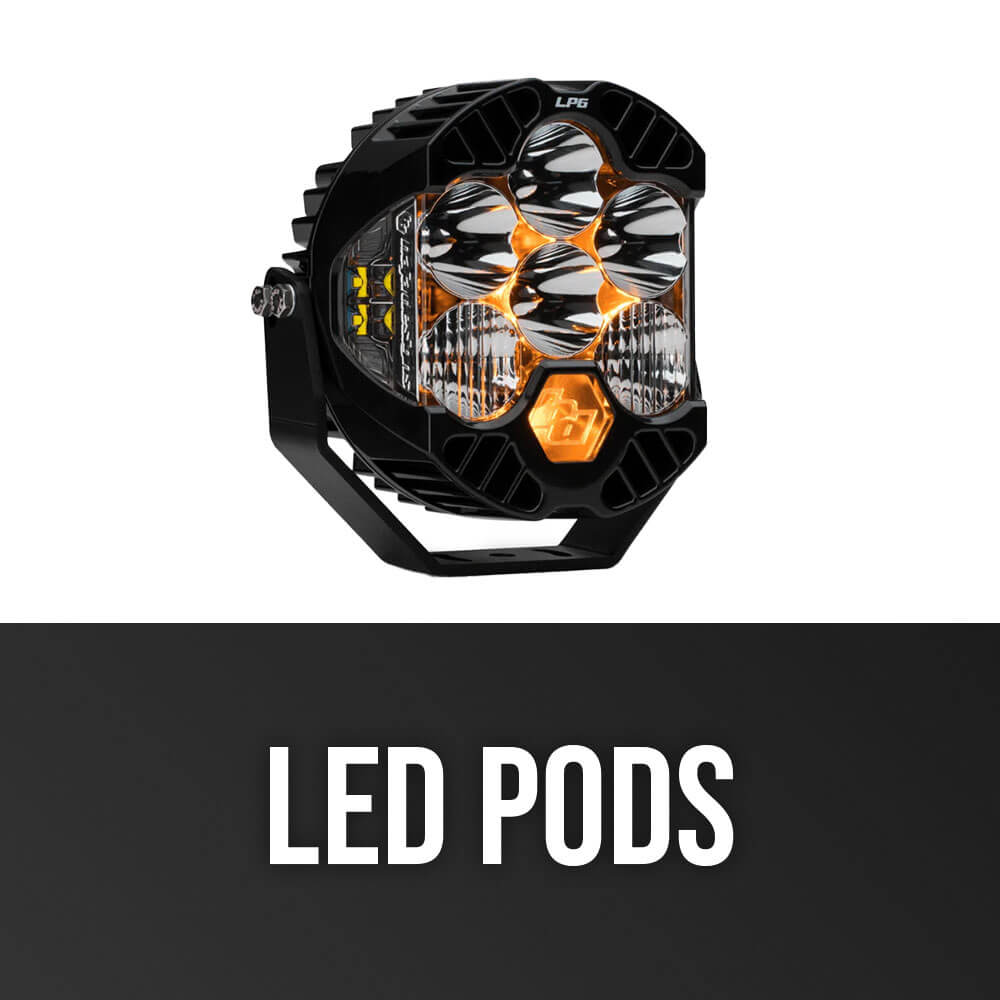
From a styling perspective, the Prinsu offers customization options that appeal to builders who want their truck to have a cohesive look. You can choose colors for the shield, side plate, and deflector, allowing the rack to complement other modifications you've made. The front diffuser accommodates either a 40-inch light bar or Baja Designs LP4 pods, giving you flexibility in your lighting setup.
The construction uses side rails with integrated mounting feet, a design choice that eliminates the flex sometimes experienced with separate mounting brackets. Six crossbars provide ample tie-down points and mounting locations for accessories, though the accessory ecosystem is more limited compared to some competitors. For Tacoma owners who prioritize both aesthetics and functionality, and don't require an extensive range of rack-specific accessories, the Prinsu represents an excellent middle ground.
UpTop Overland Bravo Rack
The UpTop Overland Bravo brings distinctive styling to the roof rack market with an aggressive tactical appearance that's immediately recognizable. This isn't a rack that blends in; it makes a statement about your truck's purpose and capabilities.
Beyond looks, the Bravo is thoughtfully engineered. The windscreen offers multiple cutout options, including the standard 40-inch light bar configuration and eight different Baja Designs configurations. This level of lighting customization is rare and allows you to dial in exactly the illumination pattern you need. The cable management system deserves particular mention, as it provides clean routing for light bar wiring rather than forcing you to zip-tie cables to the rack exterior.

The rack uses aluminum construction with 316 stainless steel hardware, striking a good balance between strength and weight. The innovative bungee cord system runs around the entire perimeter of the rack, providing quick-access storage for items you need to grab frequently without digging into packed gear. This is the kind of feature you don't realize you need until you have it, then wonder how you lived without it.
UpTop’s accessory lineup covers the essentials—grab handles, pod mounts, tent risers, and tie-down points. While not as extensive as some competitors, these options satisfy most common needs. Starting at around $729, the Bravo sits comfortably in the mid-range and is a strong option for overlanders who want unique styling with practical features.
Front Runner Slimline Sport
Front Runner has built a reputation on versatility and a comprehensive accessory lineup, and the Slimline Sport brings that philosophy to a more accessible price point compared to their flagship Slimline 2. The low-profile design flows naturally with the Tacoma's lines, making it less visually dominant than full platform racks while still providing excellent functionality.
The T6 aluminum construction balances strength against weight. The exposed T-slot design along the crossbars makes it easy to mount, reposition, or remove accessories as your needs change. This is particularly valuable if you frequently reconfigure your setup for different activities—mounting bikes one weekend, a cargo box the next, then switching to a rooftop tent for an extended trip. The slots on the sides also enable loading and unloading from multiple angles rather than forcing you to always access gear from the rear.

Where Front Runner truly excels is in accessory compatibility. The company offers one of the most comprehensive lineups in the industry, from the Pro Stainless Steel Camp Table that stores under their Slimline 2 to the ratcheting shovel bracket, Easy-Out Awning, Wolfpack storage boxes, and purpose-built bike carriers. While not all accessories work with the Sport variant, the under-rack table requires the Slimline 2's greater height, you still have access to dozens of well-engineered mounting options.
The main limitation is that the Slimline Sport sacrifices some accessory compatibility compared to the Slimline 2 to achieve its lower profile and starting price of about $695. If you know you'll want Front Runner's full ecosystem, including under-rack storage, the Slimline 2 at roughly $1,035 might be worth the upgrade. For most Tacoma owners who want a quality platform with excellent accessory options, the Slimline Sport delivers outstanding value as one of the best roof racks for Tacoma.
Rhino-Rack Pioneer Platform
The Rhino-Rack Pioneer Platform takes a different approach than the minimalist side-plate designs, offering a substantial full platform system that mounts to Toyota's backbone mounting points. This creates one of the sturdiest roof rack systems available, with crossbars that feel exceptionally solid compared to lighter-weight alternatives.
The platform design means you're getting complete coverage of your Tacoma's roof rather than just side rails and crossbars. This provides maximum versatility for odd-shaped cargo and creates a true platform for mounting larger items. Like Front Runner, Rhino-Rack uses a channel-based mounting system that allows accessories to slide into place and lock down securely. The integrated cable management system hides wiring for lights and accessories, maintaining a clean appearance even with multiple electrical components mounted.

Starting at around $1,324, the Pioneer sits at the premium end of the price spectrum, and that cost reflects the substantial construction and engineering. The weight capacity and durability justify the price for serious overlanders and those who regularly transport heavy gear, but casual users might find it more rack than they need. The two-part installation process, first mounting the backbone system, then attaching the platform. It takes longer than simpler designs, though it's still very much a DIY-friendly installation.
The Rhino-Rack accessory lineup includes solid options like gas tank mounts, high-lift jack brackets, and weatherproof luggage, though it's not as extensive as Front Runner's offerings.
The Pioneer works best for Tacoma owners who want maximum durability and don't mind the higher price tag and heavier weight that comes with a full platform design.
ARB Base Rack
ARB has earned respect in the off-road community for building products that survive the harshest conditions, and their Base Rack continues that tradition. The most immediately noticeable difference is the welded crossbar construction rather than bolted assembly, creating one of the sturdiest racks we've tested.
What truly distinguishes the ARB system is the mounting approach for accessories. Instead of sliding accessories into T-slots, ARB uses a clamping mechanism that attaches directly to the crossbars or side rails. This allows you to mount, adjust, or remove individual accessories without disturbing anything else on the rack, a significant advantage for those who frequently reconfigure their setup. The system accommodates multiple accessories on a single crossbar without the positioning constraints of traditional T-slot designs.

The ARB comes with several guardrail options that dramatically change how the rack functions. The full guardrail provides a retro expedition look and maximum security for loose items. The front 3/4 guardrail maintains front security while allowing easy rear loading. The front quarter guardrail works perfectly for camper setups. The trade guardrail is designed for loading long items while maintaining side security. This level of configurability is rare and allows you to truly customize the rack for your specific use case.
Starting around $895 without guardrails or accessories, the ARB requires additional investment to achieve its full potential. But the base price gets you exceptional build quality and a mounting system that makes life easier every time you need to adjust your setup. The unique clamping system and welded construction make this the best choice for Tacoma owners who value maximum durability and frequently reconfigure their rack accessories.
Transform Your Tacoma with the Right Roof Rack
Adding a quality roof rack to your Tacoma fundamentally changes what your truck can do and where it can take you.
The increased storage capacity enables longer trips with more gear, while the mounting platform opens up possibilities for rooftop tents, awnings, lighting, and recovery equipment. Whether you're building an overland rig, a weekend adventure truck, or simply need practical additional storage, the right roof rack system makes your Tacoma even more capable.
At TacomaBeast, we carry all five of these exceptional roof rack systems along with a wide selection of compatible accessories. Our team understands these products intimately—we've installed them, tested them, and used them on real adventures.
If you have questions about which system best fits your needs, what accessories will work with your chosen rack, or how to optimize your setup for specific activities, we're here to help.
For more detailed comparisons, installation guides, and Tacoma build ideas, check out our YouTube channel where we regularly test and review the latest products. And don't forget to explore our blog for in-depth guides on everything from suspension upgrades to lighting systems. We're passionate about helping Tacoma owners get the most out of their trucks, and the right roof rack is often the foundation of a truly capable build.
Which of these best Tacoma roof racks fits your build vision? Whether you prioritize style, functionality, or maximum durability, there's a perfect option waiting to transform your truck's capabilities.
Frequently Asked Questions
Find quick answers to common questions.
Q: Will a roof rack affect my Tacoma's gas mileage?
A: Yes, any roof rack can reduce fuel efficiency due to added weight and wind resistance. Low-profile racks like the Prinsu Cab Rack and Front Runner Slimline Sport typically have less impact than full platform systems. Expect a decrease of 1–3 MPG depending on rack design, accessories, and driving speed.
Q: Are Tacoma roof racks compatible with sunroofs?
A: Some roof racks may partially block or limit the use of factory sunroofs, depending on rack height and placement. Low-profile racks generally allow more clearance, while full platform systems may reduce usability. Always check rack-specific sunroof compatibility before purchasing.
Q: Can I install a roof rack myself, or do I need professional installation?
A: Most Tacoma roof racks are designed for DIY installation and can be installed at home with basic tools. Installation times typically range from 1–3 hours, depending on the system. Full platform racks with backbone mounts may take longer, but are still manageable for most owners.
Q: Does a roof rack increase road noise?
A: Road noise depends on rack design and driving speed. Low-profile racks with angled wind deflectors produce significantly less noise than taller or boxier platforms. Adding accessories like light bars or cargo can increase noise regardless of rack type.
Q: Are roof racks specific to Tacoma generations?
A: Yes, roof racks are generation-specific due to changes in roof dimensions and mounting points. A rack designed for a 3rd gen Tacoma will not fit a 4th gen. Always confirm the correct generation, cab style, and model year before ordering.


![Best Toyota Tacoma Infotainment System Upgrade - Stinger Heigh10 [Complete Review & Installation]](http://tacomabeast.com/cdn/shop/articles/BLOG-POST-IMG-001_9dc965ee-4133-4d8d-bcf5-34096330c7a6.png?v=1758870800&width=800)












Leave a comment