























Best Skid Plates for the Toyota Tacoma: A Buyer's Guide
The Toyota Tacoma is built for more than pavement, and for anyone who takes it off-road regularly, protecting what's underneath the truck is just as important as what's on top of it. Skid plates sit between your vulnerable drivetrain components and everything the trail throws at them - rocks, ledges, roots, and loose debris that can cause serious and expensive damage if it contacts the wrong part of the undercarriage.
The challenge is that "skid plates" covers a lot of ground. There's no single plate that protects everything, and most builds end up with multiple plates covering different areas depending on the terrain and how aggressive the driving gets. Knowing what each plate protects and what to look for in terms of material and construction makes the buying decision a lot simpler.
This guide breaks down the key areas to protect, what separates a quality skid plate from a budget option, and how to build out coverage that suits your Tacoma's use case.
What Are You Actually Protecting?

Before getting into specific plates, it helps to understand what's at risk under the truck. The Tacoma's most vulnerable components sit low and forward, and a single rock strike in the wrong place can mean a tow truck and a significant repair bill.
The engine oil pan is the most common casualty on a Tacoma that's seen any serious trail use. It's low, relatively thin-walled, and sits directly in the path of anything the front tyres kick up or the underside contacts. A front skid plate covering the engine and oil pan is the first piece of protection most owners add, and for good reason.
Behind that, the transfer case and transmission take the next hit. On a 4WD Tacoma, the transfer case sits centrally under the cab and is exposed to side-sweep impacts on shelf roads and rock ledges. A transfer case skid plate is the second most common addition. Further back, the rear differential is exposed and worth covering on any truck that sees technical terrain regularly.
What Makes a Good Skid Plate?
Not all skid plates are created equal, and the differences matter when you're actually using them.
Material is the starting point. Steel and aluminium are the two main options. Steel - typically 3/16" or 1/4" thick - offers maximum protection and is better at absorbing repeated impacts without deforming. It adds weight, but for serious off-road use most drivers accept that trade-off willingly. Aluminium is lighter and still provides solid protection for moderate terrain, and it won't rust. For overlanders covering big distances on mixed terrain, aluminium is a reasonable choice. For technical rock work or trails with serious impact risk, steel is the better call.

Mounting matters almost as much as material. A skid plate needs to mount solidly and transfer impact loads into the frame, not flex back into the component it's supposed to protect. Look for designs that use multiple mounting points and tie into frame rails rather than body mounts only. Gusseted corners and reinforced edges are signs of a plate designed for real use rather than just appearance.
Drainage and access are worth thinking about too. Plates that trap water and debris against the undercarriage cause their own problems over time, and a plate that requires removal to do an oil change gets skipped more often than it should. Well-designed plates include drain holes or cutouts and make routine access straightforward.
Building Out Your Coverage

For most Tacoma owners getting into off-road, the sensible order is: engine/oil pan first, transfer case second, rear differential third. That covers the three highest-risk areas and gives you a meaningful level of protection across the undercarriage.
Full underbody kits - plates that cover all three zones in a coordinated set - are worth considering if you're building the truck out properly. They're typically designed to work together, which means consistent mounting, matching aesthetics, and no gaps between plates that create new vulnerability points. Buying a coordinated set often works out better value than piecing individual plates together from different manufacturers.
If budget is a factor, prioritise front coverage. The engine/oil pan plate does the most work on the most common terrain and gives you the biggest return on protection per dollar spent.
Final Thoughts
Skid plates are one of those upgrades that you don't think about until the moment you wish you had them - and at that point it's too late. For any Tacoma that sees genuine off-road use, they're a fundamental part of protecting the investment you've made in the truck.
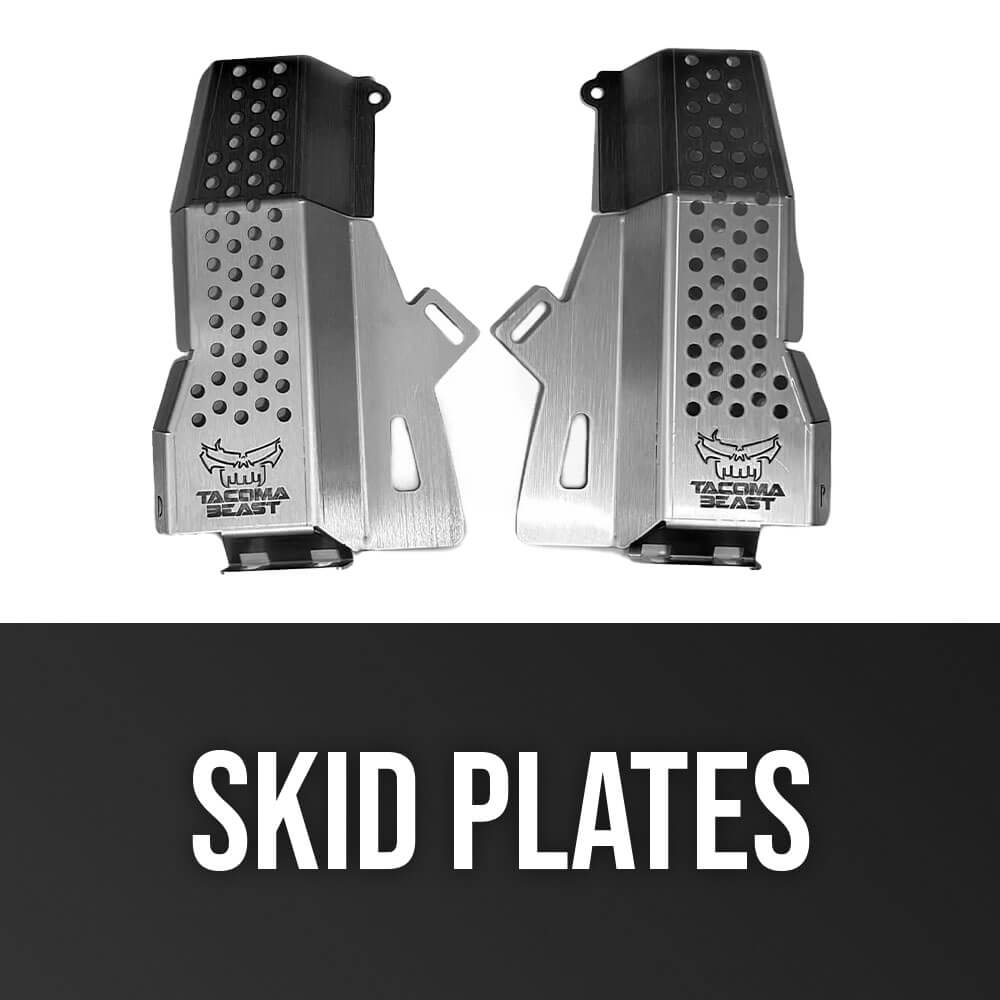
Browse the full range of Tacoma skid plates at TacomaBeast to find the right coverage for your build. If you're not sure where to start or want to talk through a full protection setup, the team is happy to help.
Frequently Asked Questions
Find quick answers to common Skid Plate questions.
Q: Do I need skid plates if my Tacoma already has the TRD Off-Road or TRD Pro package?
A: The TRD packages include a front engine skid plate from the factory, which is a good starting point. However, factory plates are typically lighter gauge than aftermarket options and don't cover the transfer case or rear differential. Most serious off-road builds add aftermarket coverage on top of or replacing the OEM plate.
Q: What thickness skid plate do I need?
A: For general overlanding and moderate trail use, 1/8" to 3/16" aluminum or steel provides solid protection. For technical rock work or more aggressive terrain, 3/16" to 1/4" steel is the better choice. Thicker plates add weight but handle repeated impact much better over time.
Q: Will skid plates affect my ground clearance?
A: A well-designed skid plate sits flush or very close to the existing undercarriage profile. In most cases the clearance impact is minimal - often less than half an inch. The protection benefit far outweighs any marginal reduction in clearance for real-world off-road use.
Q: Can I install skid plates myself?
A: Most bolt-on skid plates are a straightforward DIY install with basic tools and a jack or lift. Full underbody kits may take longer but are still manageable at home. Always follow the manufacturer's torque specs on mounting hardware - a loose skid plate is worse than none because it can shift and cause damage on impact.
Q: Do skid plates work with a lift kit?
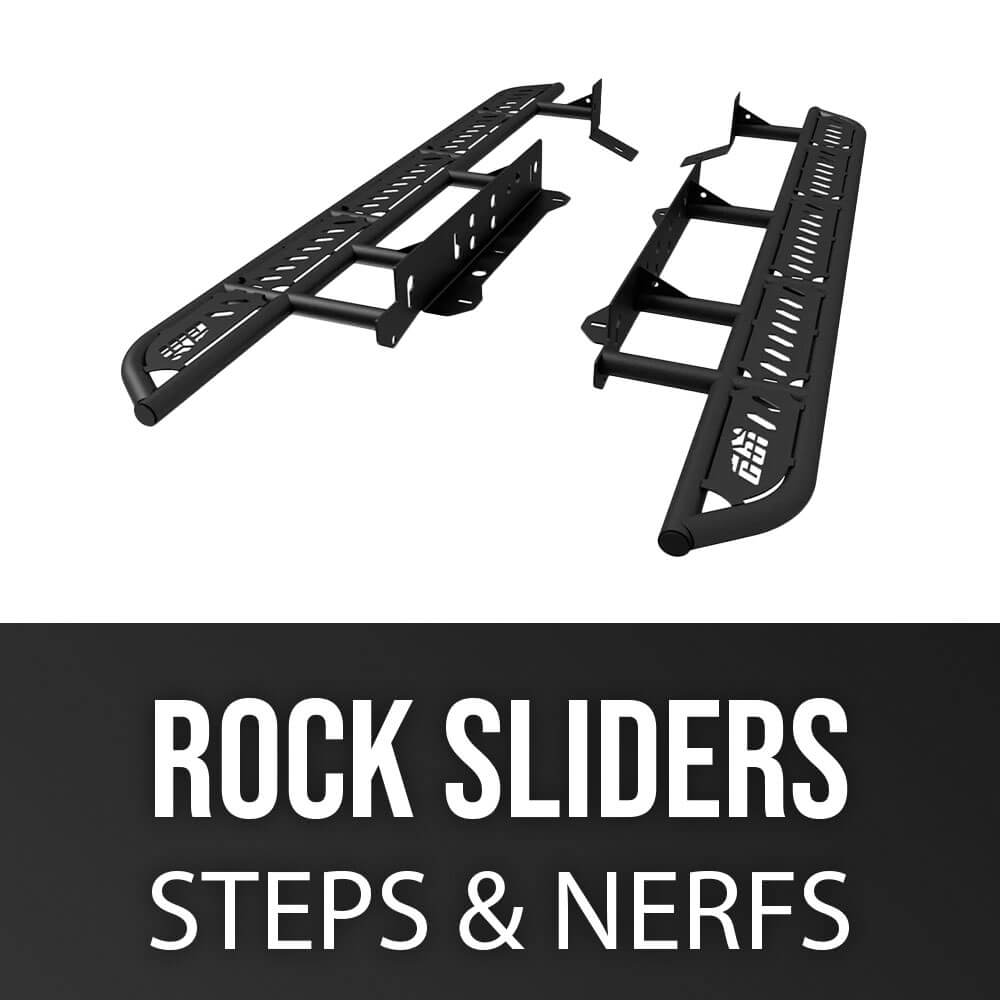
A: In most cases, yes, but it's worth confirming compatibility before purchasing. Some skid plates are designed specifically for stock or lifted configurations. If you're running a significant lift, check that the plate's mounting geometry still works with your suspension setup. Pairing skid plates with rock sliders gives you complementary protection for the rocker panels at the same time.


![Best Toyota Tacoma Infotainment System Upgrade - Stinger Heigh10 [Complete Review & Installation]](http://tacomabeast.com/cdn/shop/articles/BLOG-POST-IMG-001_9dc965ee-4133-4d8d-bcf5-34096330c7a6.png?v=1758870800&width=800)












Leave a comment