





























Rock Sliders vs Nerf Bars: Which One Is Right for Your Tacoma?
If you're looking at side protection for your Tacoma and find yourself torn between rock sliders and nerf bars, you're not alone. The two options look similar at first glance - both run along the sides of the truck, both bolt to the underside - but they serve very different purposes. Choosing the wrong one for your build isn't just a wasted upgrade, it could leave your truck more exposed than you realised.
The core difference comes down to what they're actually built for. Nerf bars are primarily a step assist. They give you and your passengers a place to plant your foot when getting in and out of the truck, and they add a clean, finished look to the sides of the vehicle. Rock sliders, on the other hand, are a structural protection product. They're designed to take direct contact with rocks, ledges, and trail obstacles - and to transfer that load into the frame rather than the body. One is a comfort feature. The other is armour.
That distinction matters a lot depending on how you use your Tacoma. If your truck spends most of its time on the road or light dirt tracks, the choice is different to a rig that regularly sees technical trails, rock gardens, or loose scree. This post breaks both options down so you can make the right call for your build.
What Are Nerf Bars?
Nerf bars are the more accessible of the two options, and for a lot of Tacoma owners they're exactly what's needed. A quality set of nerf bars runs cleanly along the rocker panel area, provides a solid step surface, and gives the truck a more complete, purposeful look from the outside.
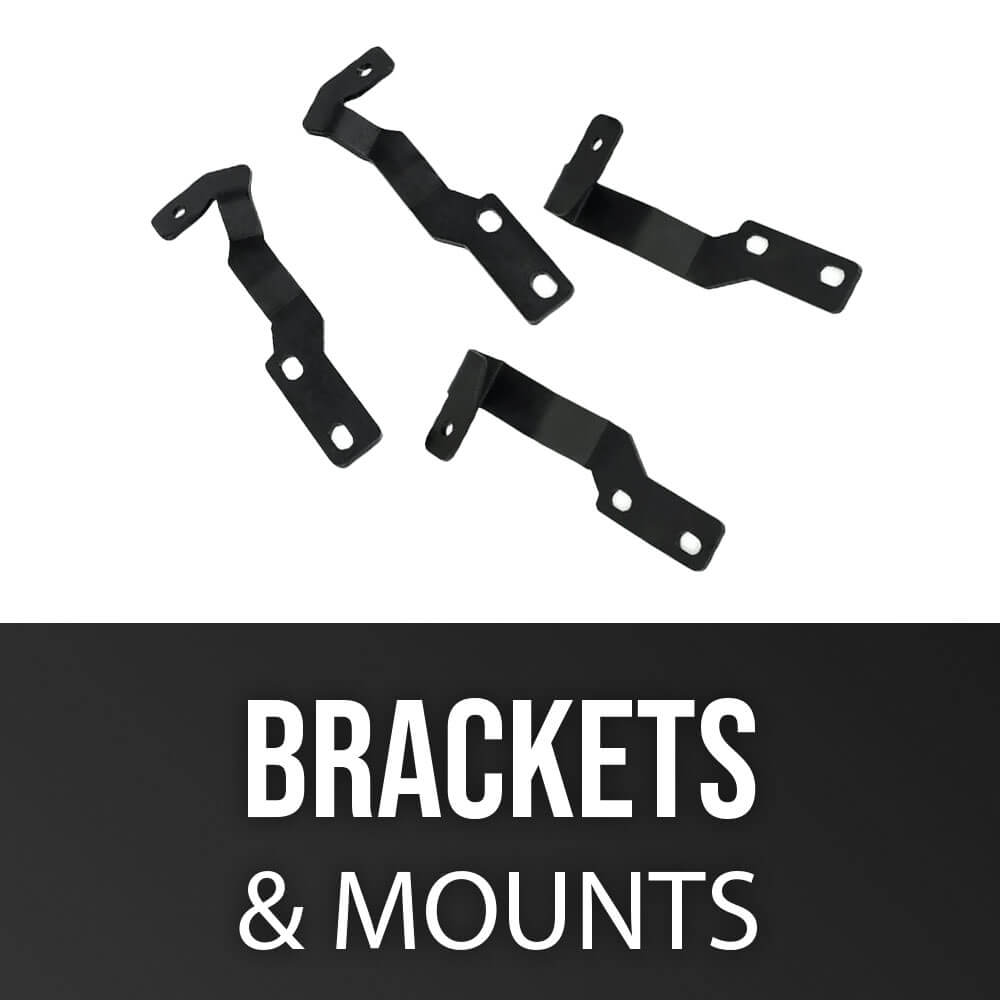
They're typically constructed from steel or aluminium tube and mount to the frame or body via brackets. Installation is straightforward - most bolt directly to existing mounting points without any drilling or fabrication. Weight is generally lower than rock sliders, which keeps things simple if you're not chasing a full overland or trail build.

Where nerf bars fall short is under real off-road pressure. They're not designed to absorb side impacts. If you drag a rocker panel across a boulder or drop a tyre into a rut and the body contacts the trail edge, a nerf bar won't do much to protect the sheet metal underneath. For overlanders and trail drivers who regularly put the truck in challenging terrain, that's a meaningful limitation.
For daily drivers, weekend adventurers on maintained forest roads, and Tacoma owners who want better step access and a cleaner side profile without the cost of full sliders, nerf bars are a solid, practical choice.
What Are Rock Sliders?
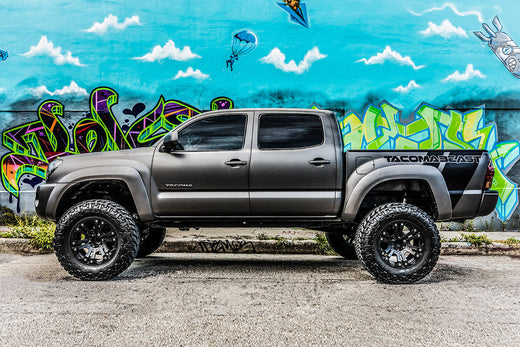
Rock sliders are purpose-built for protection. They're constructed from heavy gauge steel - typically 3/16" or 1/4" wall tubing - and critically, they mount directly to the frame, not the body. That frame-mount design is what separates a real rock slider from everything else. When the slider makes contact with an obstacle, the load transfers into the chassis rather than crumpling the rocker panel or floor.
The slider is designed to do exactly what the name suggests: allow the truck to slide across rocks, ledges, and trail features without damaging the body. A good set of sliders will have a low profile that tucks tight to the rocker panel, a flat or slightly angled top surface that the truck can actually ride on without catching, and gusset construction that handles repeated impacts without flexing.

Many rock slider options also incorporate a step function - a small notch or tube step built into the slider itself - so you don't sacrifice the step access you'd get from a nerf bar. It's not quite as comfortable as a wide nerf bar platform, but it covers both needs in one fitment.
Rock sliders add weight and cost compared to nerf bars, and installation is more involved. For some designs, trimming or minor modification to the body is required to get the right clearance. But for anyone who takes their Tacoma off-road seriously, they're one of the most practical and high-value upgrades on the truck.
Which One Is Right for Your Tacoma?
The honest answer is that it depends on how you use the truck. There's no wrong choice if it fits your actual driving.
If your Tacoma is primarily a daily driver or weekend overlander on well-maintained trails, nerf bars give you the step access, the side profile, and the practical functionality you need without overbuilding the rig. They're a clean upgrade that most owners will get real use out of every day.
If you're regularly running technical terrain - rocky trails, off-camber sections, tight shelf roads - rock sliders are the upgrade that pays for itself the first time your rocker panel would have taken a hit without them. They're also the better long-term investment if you plan to build the truck further, since they form part of the foundation a serious off-road setup is built around.
Browse the full range of Tacoma rock sliders and side steps at TacomaBeast to see what's available for your year and build. If you're unsure which direction to go, the team is happy to help you figure out the right fit.
Frequently Asked Questions
Find quick answers about Rock Sliders vs Nerf Bars.
Q: What's the main difference between rock sliders and nerf bars?
A: Rock sliders are a structural protection product designed to take direct contact with trail obstacles and transfer load into the frame. Nerf bars are primarily a step assist with a lighter build - useful for access and aesthetics but not rated for rock contact.
Q: Do rock sliders replace nerf bars, or do you need both?
A: Rock sliders replace nerf bars. Most quality rock slider designs include a built-in step notch or tube, so you retain step access while gaining full rocker protection. You don't need to run both.
Q: Will rock sliders fit my specific Tacoma year and trim?
A: Fitment varies by brand and model. Most rock sliders on the market are built for specific Tacoma generations - 2nd gen (2005-2015) and 3rd gen (2016-2023) are the most widely supported. Always confirm fitment with the product listing or the TacomaBeast team before ordering.
Q: Can I install rock sliders myself?
A: It depends on the design. Bolt-on frame-mount sliders are DIY-friendly with basic tools and a jack stand setup. Some designs require minor trimming or fabrication, which may be better handled by a shop. Nerf bars are generally easier - most are straightforward bolt-on installs.
Q: Do rock sliders affect ground clearance?
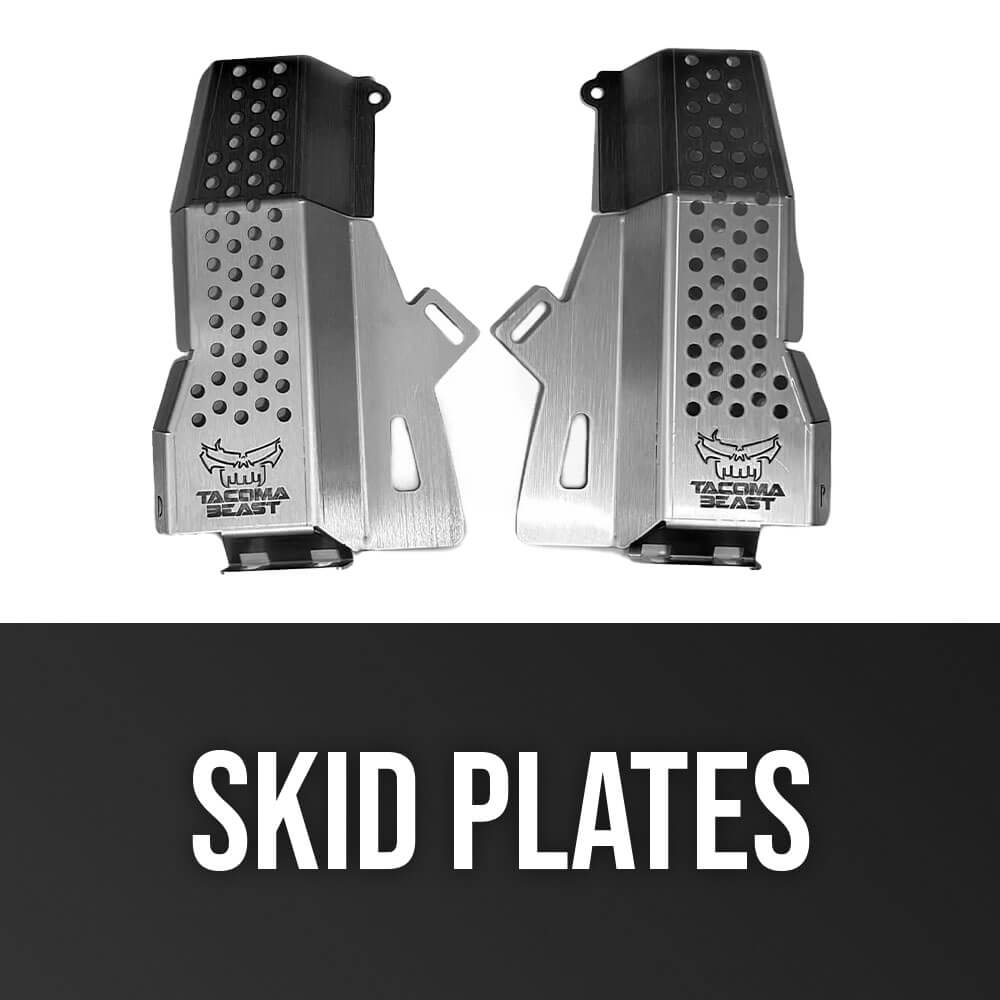
A: A well-designed rock slider sits tight to the rocker panel and doesn't hang lower than the existing body line, so ground clearance impact is minimal. In practice, sliders often protect areas that were already the lowest unprotected point on the body. Pairing sliders with Tacoma skid plates gives you more complete undercarriage coverage.



![Best Toyota Tacoma Infotainment System Upgrade - Stinger Heigh10 [Complete Review & Installation]](http://tacomabeast.com/cdn/shop/articles/BLOG-POST-IMG-001_9dc965ee-4133-4d8d-bcf5-34096330c7a6.png?v=1758870800&width=800)












Leave a comment